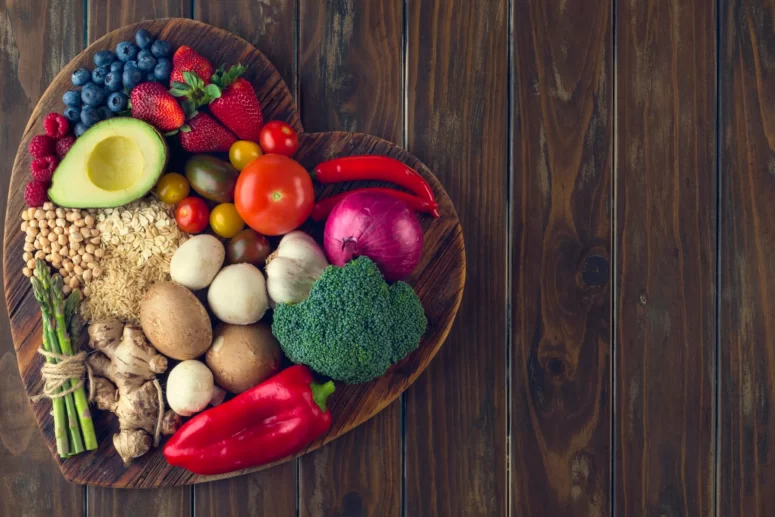
In the hustle and bustle of modern life, maintaining heart health can often take a backseat. However, prioritizing heart health through diet is one of the most effective ways to ensure a long and healthy life. Let’s explore the best foods for your heart and how they contribute to cardiovascular wellness.
The Importance of Heart Health
The heart is the powerhouse of the body, tirelessly pumping blood to sustain life. Cardiovascular diseases (CVD) are among the leading causes of death globally, making it crucial to adopt a heart-healthy lifestyle. Diet plays a pivotal role in preventing and managing heart diseases, influencing factors like blood pressure, cholesterol levels, and overall heart function.
Top Heart-Healthy Foods
Leafy Greens
Leafy green vegetables like spinach, kale, and Swiss chard are rich in vitamins, minerals, and antioxidants. They are high in dietary nitrates, which have been shown to reduce blood pressure, decrease arterial stiffness, and improve the function of cells lining the blood vessels.
Berries
Berries, including strawberries, blueberries, and raspberries, are packed with antioxidants such as anthocyanins, which protect against the oxidative stress and inflammation that contribute to heart disease. Regular consumption of berries has been linked to lower blood pressure, reduced cholesterol levels, and decreased risk of heart attacks.
Whole Grains
Whole grains like oats, quinoa, and brown rice are excellent sources of fiber and nutrients that benefit heart health. They help lower LDL (bad) cholesterol and reduce the risk of heart disease by improving blood vessel function and decreasing blood pressure.
Avocados
Avocados are rich in monounsaturated fats and potassium, both of which are beneficial for heart health. They help lower LDL cholesterol while increasing HDL (good) cholesterol and provide anti-inflammatory benefits.
Fatty Fish
Fatty fish such as salmon, mackerel, and sardines are high in omega-3 fatty acids, which have been shown to reduce inflammation, lower blood pressure, and decrease triglycerides. Omega-3s also help maintain a steady heart rhythm and prevent the formation of dangerous clots in arteries.
Nuts and Seeds
Nuts and seeds, including almonds, walnuts, flaxseeds, and chia seeds, are nutrient-dense and provide heart-healthy fats, fiber, and protein. Regular consumption is associated with reduced levels of inflammation, lower LDL cholesterol, and improved artery health.
Olive Oil
Olive oil is a staple of the Mediterranean diet, known for its heart-protective effects. It is rich in monounsaturated fats and antioxidants, which help lower blood pressure and protect LDL cholesterol from oxidation.
Legumes
Beans, lentils, and chickpeas are high in fiber, protein, and antioxidants. They help lower blood pressure, reduce cholesterol levels, and improve overall heart function.
Dark Chocolate
In moderation, dark chocolate (at least 70% cocoa) can be heart-healthy. It is rich in flavonoids, which help lower blood pressure, improve blood flow, and reduce the risk of heart disease.
Tomatoes
Tomatoes are high in lycopene, an antioxidant that has been linked to lower LDL cholesterol and reduced risk of heart disease. They also provide potassium, which helps manage blood pressure.
How These Foods Benefit Your Heart
- Reduce Blood Pressure: Foods rich in potassium (like avocados and tomatoes) and dietary nitrates (like leafy greens) help relax blood vessels and lower blood pressure.
- Lower Cholesterol: Soluble fiber from whole grains and legumes helps reduce LDL cholesterol levels, while healthy fats from avocados, nuts, and olive oil increase HDL cholesterol.
- Combat Inflammation: Antioxidants found in berries, nuts, and dark chocolate help reduce inflammation, a key factor in heart disease.
- Improve Blood Vessel Function: Omega-3 fatty acids from fatty fish enhance endothelial function, which is critical for maintaining healthy arteries.
Tips for a Heart-Healthy Diet
Balance and Variety. Ensure a balanced diet with a variety of nutrient-dense foods to cover all your heart health bases.
Limit Processed Foods. Reduce intake of processed foods high in sugar, salt, and unhealthy fats.
Moderation is Key. Even healthy foods should be consumed in moderation as part of a balanced diet.
Stay Hydrated. Proper hydration is essential for overall health, including heart health.
Cook at Home. Preparing meals at home allows you to control ingredients and make healthier choices.
Embracing a heart-healthy diet is a powerful step toward protecting your cardiovascular system. By incorporating nutrient-rich foods such as leafy greens, berries, whole grains, and healthy fats into your daily diet, you can significantly reduce your risk of heart disease and improve your overall well-being. Remember, small changes can make a big difference. Start today by adding these heart-friendly foods to your plate and enjoy the benefits of a healthier heart for years to come.


